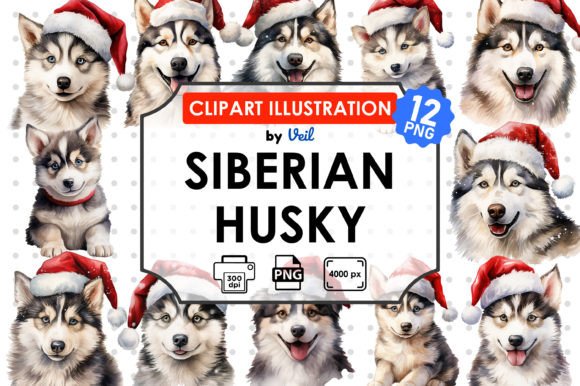
Reviewing the Christmas Peaking Puppy Clipart
As a designer who spends more time staring at stitch simulations than I do sleeping, I have learned to be skeptical of cute. Cuteness is easy; functionality is hard. When I first pulled up the Christmas Peaking Puppy Clipart on my screen, my initial reaction was purely aesthetic. It is charming, undeniably festive, and carries that specific warmth associated with holiday Illustrations. However, my job is not just to admire the art but to translate it into thread, fabric, and tangible value for clients. The real question is not whether the puppy is adorable, but whether this design holds up under the needle.
First Impressions and Visual Personality
The composition of this design relies heavily on negative space and clever framing. The "peaking" aspect suggests a playful interaction with the edge of a garment or accessory, which is a smart layout choice for embroidery. In digital formats, details can look crisp, but in embroidery, we deal with the physical limitations of thread tension and fabric weave. The visual personality here is soft and inviting, avoiding the harsh lines that often plague lower-quality machine embroidery design files. This matters because the mood of the piece dictates where it belongs. It feels right for cozy, intimate items rather than bold, corporate branding.
When evaluating the detail level, I look for potential trap points. Are there areas where satin stitch columns are too long without tacking down? Are the fill stitch areas dense enough to cover the fabric but light enough to prevent puckering? From what I can see in the preview, the balance seems intentional. The design avoids excessive micro-detailing that would get lost in smaller hoop sizes, which is a common pitfall in holiday-themed assets.
Real-World Application: The Tote Bag Test
To truly understand the viability of the Christmas Peaking Puppy Clipart, I mentally placed it on a canvas tote bag. This is a staple product for any Etsy seller or small shop owner during the fourth quarter. A tote bag offers a large, flat surface, but the texture of canvas can be unforgiving if the stitch density is off. If this design were to be stitched on a heavy cotton canvas, the contrast between the thread colors and the natural fabric would be key. I imagine using cream or white thread for the puppy’s fur to pop against a red or green bag, or perhaps a classic blackwork style if the fabric is light.
The "peaking" nature of the clipart works exceptionally well here. Placing the puppy at the top edge of the pocket or the upper corner of the bag creates a sense of discovery. It invites the user to look closer. For a craft business, this kind of interactive design element increases perceived value. It transforms a simple bag into a conversation piece. Customers do not just buy a bag; they buy the feeling of whimsy that the embroidered patch provides.
Navigating Fabric and Hoop Constraints
While the design shines on stable fabrics like tote bags or aprons, caution is required when moving to stretchy or textured materials. If you are planning to use this as sweatshirt embroidery, you must consider the pile of the fleece. Fine details can get swallowed by fuzzy fabrics. In such cases, I recommend using a cutaway stabilizer to provide a firm foundation and potentially simplifying the thread colors to ensure clarity. The running stitch elements, if present in the outline, need to be tight enough to define the shape without sinking into the fleece.
Curved surfaces present another challenge. Applying this to a cap requires careful digitizing adjustments that may not be present in the standard digital embroidery file. The curvature of the crown can distort the image, making the puppy look stretched or skewed. For caps, I would advise testing the design on a scrap piece of similar material first. Check how the hoop size interacts with the curved seam. If the design is too wide, it might bridge the gap incorrectly, leading to registration issues where the thread colors do not align perfectly.
Thin fabrics, such as those used for baby embroidery or kitchen towels, require a different approach. Here, the stitch density becomes critical. Too much density, and the towel will pucker and become stiff. Too little, and the fabric shows through, ruining the finished product. For a baby onesie, I would likely reduce the density settings if my software allows, or choose a lighter weight thread to maintain the softness of the garment. The Christmas Peaking Puppy Clipart must remain soft to the touch, especially for items intended for infants.
Commercial Value and Brand Consistency
For commercial embroidery projects, consistency is king. If you are an apparel decorator producing fifty units for a boutique, every puppy needs to look identical. This is where the quality of the original Illustrations and the subsequent digitizing matter. Poorly digitized files lead to thread breaks, bird nests, and inconsistent tension. A high-quality design asset minimizes these risks, saving you time and money on reworks.
From a branding perspective, this design fits seamlessly into a cohesive holiday collection. It pairs well with other seasonal motifs, allowing you to create a line of products that feel curated rather than random. Whether it is a pillow cover for home decor or a personalized gift for a pet lover, the design supports brand recognition. It signals attention to detail and a touch of humor, traits that customers associate with high-end handmade products.
Practical Designer Notes for Execution
Before you load this into your machine, take a moment to review the technical specifics. Since exact stitch counts and file formats are not provided here, you must verify them with the source. Ensure the file format is compatible with your specific embroidery machine. Most modern machines accept DST, PES, or JEF files, but compatibility varies.
- Test on Scrap Fabric: Never stitch directly on your final product. Use a scrap piece of the same fabric and stabilizer combination to check tension and alignment.
- Check Thread Contrast: View the design in black and white on your screen. If the details disappear in grayscale, they will likely get lost in low-contrast thread choices.
- Stabilizer Selection: Match your stabilizer to your fabric. Use tear-away for stable woven fabrics and cut-away for knits and stretchy materials.
- License Verification: Confirm the licensing terms. Can you use this for commercial sales? Are there restrictions on the number of units? Always respect intellectual property rights to protect your craft business.
- Mockup Testing: Create printable mockups to visualize the design on different products. This helps in marketing your Etsy listings or small shop products before you commit to production.
In conclusion, the Christmas Peaking Puppy Clipart is a versatile addition to your library of design assets. It bridges the gap between digital charm and tactile reality, provided you respect the mechanical constraints of embroidery. By paying attention to fabric texture, hoop size, and stitch density, you can transform this simple illustration into a high-value finished product. Whether for a custom apparel line or a one-off personalized gift, this design offers the playful elegance that modern consumers crave. Treat it with the technical care it deserves, and it will serve your business well throughout the holiday season and beyond.