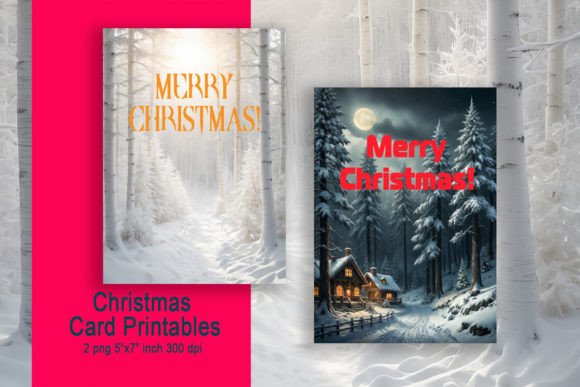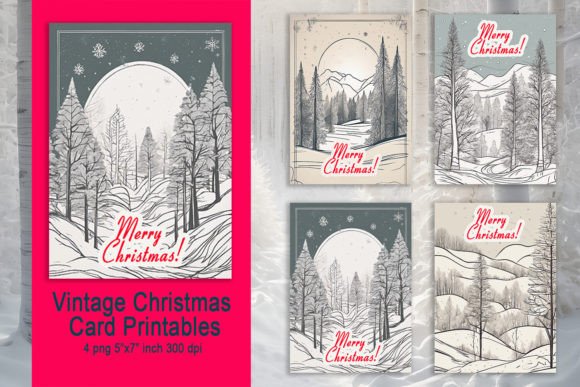
Merry Christmas Greeting Card Clipart: Illustrations Review
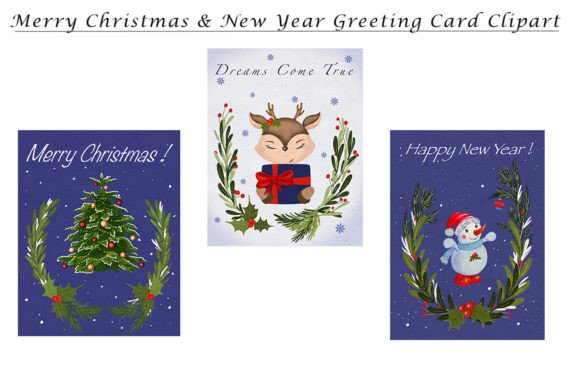
As a brand designer and content marketer, I approach every graphic design asset with a critical eye. It is not enough for an image to simply look festive; it must serve a strategic purpose within a broader marketing ecosystem. Recently, I evaluated the Merry Christmas Greeting Card Clipart collection for a client’s holiday campaign. This review breaks down how these Illustrations perform in real-world scenarios, from social media feeds to physical packaging, ensuring your seasonal content drives engagement rather than just filling space.
First Impressions: Mood, Tone, and Brand Perception
The immediate impact of the Merry Christmas Greeting Card Clipart is one of warmth and nostalgic charm. In an era where digital noise is overwhelming, these visuals offer a breath of fresh air. The mood is inviting, striking a balance between traditional holiday cheer and modern minimalism. For brand owners, this is crucial. You do not want your holiday messaging to feel cluttered or desperate for attention. Instead, these clipart elements suggest a brand that values quality and thoughtfulness.
When assessing audience perception, these Illustrations lean heavily into emotional connection. They are suitable for lifestyle brands, handmade product sellers, and boutique retailers who rely on audience trust and personal connection. However, they may feel too casual for rigid corporate environments. If your brand identity is built on sleek, ultra-modern industrial aesthetics, you might need to adapt these assets carefully. For most small business owners and creative entrepreneurs, though, the tone is perfectly aligned with the goal of creating a memorable, heartwarming customer experience.
Strategic Applications in Marketing and Branding
The versatility of this design bundle is its strongest selling point. During my review, I tested these assets across multiple channels to determine where they add the most value. Here is how the Merry Christmas Greeting Card Clipart performs in specific marketing contexts:
- Social Media Graphics: These elements shine on Instagram and Pinterest. They work exceptionally well as overlays for product photos or as standalone festive posts. The clean lines ensure they do not compete with the main subject, maintaining a clear visual hierarchy.
- Packaging Design and Product Labels: For e-commerce businesses, adding a seasonal touch to unboxing experiences is vital. These Illustrations can be printed on tissue paper, stickers, or thank-you cards. The high-resolution PNG design files ensure crisp edges, which is non-negotiable for professional branding.
- Email Banners and Digital Ads: When used in email marketing, these graphics help break up text-heavy layouts. They draw the eye to call-to-action buttons without being distracting. In digital ads, they provide instant seasonal context, allowing users to recognize the offer’s relevance immediately.
- Printable Design and Lead Magnets: Coaches and consultants can use these assets to create holiday-themed planners or checklists. As a printable design, they add perceived value to free resources, encouraging higher download rates and list growth.
Enhancing Visual Consistency and Campaign Goals
A common mistake in seasonal marketing is inconsistent visual language. Brands often grab random free images, resulting in a disjointed feed. The Merry Christmas Greeting Card Clipart solves this by providing a cohesive style. Using a unified set of design assets strengthens brand recognition. When a customer sees these specific stylistic choices across your social media graphics, website headers, and packaging, it reinforces a sense of professionalism and attention to detail.
Furthermore, these assets support stronger first impressions. In content marketing, you have seconds to capture attention. A well-placed illustration can convey emotion faster than text. By integrating these elements into your marketing visuals, you create an emotional hook that encourages users to stop scrolling and engage with your message. This leads to better engagement metrics and, ultimately, higher conversion rates for seasonal offers.
Where to Use These Assets and Where to Exercise Caution
While versatile, no single asset works everywhere. Understanding the limitations is key to effective creative design. The Merry Christmas Greeting Card Clipart works best in hero graphics, campaign headers, and decorative brand elements where there is ample white space. They excel in editorial design layouts for blog posts or magazines, where they can frame text or separate sections.
However, use caution in dense information layouts. If you are designing a complex infographic or a text-heavy ad, these illustrations may compete for attention. Additionally, avoid using them on low-contrast backgrounds. Since many of these Illustrations rely on fine details, placing them on busy patterns or dark colors without proper adjustment can reduce readability. For small business branding that relies on ultra-minimalist aesthetics, ensure the clipart does not overwhelm the sparse design. Always prioritize the main message; the art should support, not dominate.
Practical Designer Notes for Implementation
Before launching your campaign, I recommend several technical checks to ensure these assets perform flawlessly. First, test the Merry Christmas Greeting Card Clipart against your existing brand color palette. While they are beautiful as-is, recoloring them to match your brand guidelines can create a more custom, premium look. Check how they appear in black and white, as this is often necessary for cost-effective printing on product labels or receipts.
Placement is another critical factor. Place the assets inside real campaign mockups to judge scale. Preview them on mobile screens, as most social media consumption happens on smaller devices. Ensure that details remain visible and that the visual hierarchy remains intact. Typography pairing is also essential. These clipart elements pair beautifully with serif fonts for a traditional feel, sans serif fonts for a modern twist, and script or handwritten fonts for a personal, artisanal touch. Avoid overly decorative display fonts that might clash with the intricate details of the SVG design or PNG files.
Finally, always confirm the licensing terms. If you are using these for client work, paid campaigns, or as part of a digital product you intend to sell, ensure you have the appropriate commercial license. Respecting intellectual property is a cornerstone of professional branding and protects your business from legal issues. By treating these Illustrations as strategic tools rather than mere decorations, you elevate your entire holiday marketing strategy.
In conclusion, the Merry Christmas Greeting Card Clipart is a robust resource for any marketer or designer looking to enhance their seasonal presence. It offers the flexibility needed for diverse applications, from web design to physical merchandise, while maintaining the aesthetic quality required for modern design standards. By following these practical guidelines, you can leverage this graphic design asset to create campaigns that are not only visually stunning but also strategically effective.