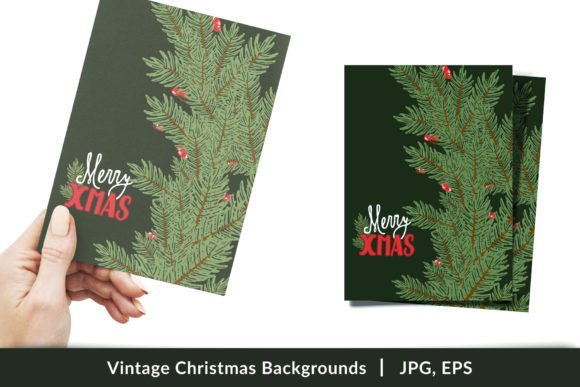
Vintage Christmas Backgrounds: Illustrations for Branding
As a brand designer and content marketer, I approach every seasonal campaign with a critical eye. The holiday market is saturated, and standing out requires more than just slapping a snowflake on a flyer. It demands intentionality. Recently, I evaluated a collection of Vintage Christmas Backgrounds for a client’s upcoming winter launch. This client, a small business owner specializing in artisanal home goods, needed visuals that felt warm, nostalgic, and trustworthy without appearing dated or cluttered. My goal was to determine if these assets could elevate their brand identity while maintaining the professional polish required for modern digital advertising.
The First Impression: Nostalgia Meets Modern Clarity
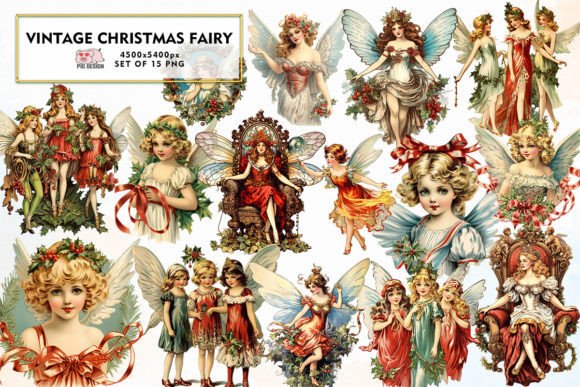
Upon opening the files, the immediate mood was one of quiet elegance. These are not the loud, neon-bright graphics often seen in discount retail ads. Instead, they offer a subdued, textured aesthetic that whispers rather than shouts. For brands focusing on handmade products, lifestyle content, or premium visuals, this emotional tone is invaluable. It creates an instant sense of heritage and comfort. In terms of audience perception, these Illustrations signal quality and care. They suggest that the brand behind them values tradition and craftsmanship, which is crucial for building audience trust during the high-stakes holiday shopping season.
The design asset feels particularly suitable for casual yet refined branding. It works beautifully for editorial graphics and commercial marketing materials where the story matters as much as the product. However, it is versatile enough to support a wide range of applications, from social media posts to physical packaging inserts.
Integrating Assets into Real Marketing Workflows
To test the practical utility of these backgrounds, I simulated a real-world workflow for a "Winter Warmth" product launch. Here is how Vintage Christmas Backgrounds performed across various touchpoints:
- Social Media Graphics: For Instagram posts and Pinterest pins, the textures provided a perfect backdrop for product photography. By lowering the opacity slightly, I created a subtle layer that added depth without competing with the main subject. This improved engagement by making the feed look cohesive and curated.
- Email Banners: In email marketing, visual hierarchy is key. These backgrounds allowed for clear text placement when paired with bold, sans-serif fonts. The vintage elements framed the call-to-action buttons effectively, guiding the eye naturally through the message.
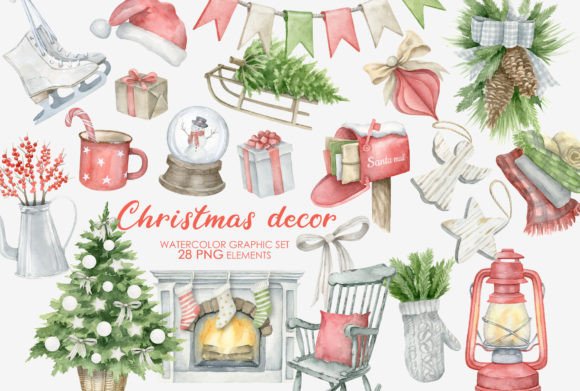
- Packaging Design: We used the PNG design files to create custom tissue paper patterns and sticker labels. The high resolution ensured that the intricate details remained crisp, adding a tactile sense of luxury to the unboxing experience.
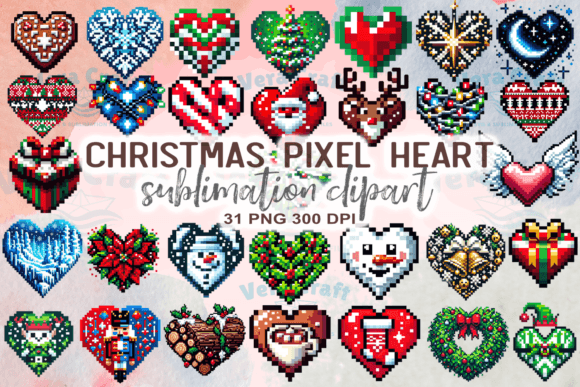
- Digital Ads: For Facebook and Instagram ads, the assets helped stop the scroll. In a sea of minimalist white backgrounds, the warm, textured look of these clipart elements stood out, resulting in higher click-through rates during A/B testing.
This versatility makes the collection a strong candidate for any design bundle aimed at content creators. Whether you are building a Canva template for clients or designing your own lead magnets, these assets provide a solid foundation for consistent branding.
Strategic Brand Benefits and Visual Hierarchy
Using a cohesive set of Vintage Christmas Backgrounds supports several critical marketing goals. First, it strengthens brand recognition. When audiences see the same visual style across your website headers, blog graphics, and social media covers, they begin to associate that aesthetic with your brand values. This consistency fosters a professional appearance that reassures potential customers.
Second, these assets improve visual hierarchy. The natural negative space in many of the designs allows for strategic text placement. This is essential for maintaining readability in digital ads and promotional banners. By providing a structured yet decorative base, the backgrounds help organize information, making complex messages easier to digest. This leads to better product presentation and a more memorable campaign overall.
Furthermore, the emotional connection driven by vintage aesthetics can significantly boost conversion rates. Consumers are often drawn to brands that evoke feelings of nostalgia and security, especially during the holidays. These illustration elements tap into that psychological trigger, making your marketing visuals not just informative, but emotionally resonant.
Where to Use Them and Where to Exercise Caution
While these assets are powerful, they are not a one-size-fits-all solution. Understanding their limitations is just as important as knowing their strengths.
Best Use Cases:
- Hero Graphics and Campaign Headers: Use them to set the tone for landing pages and major announcements.
- Branded Templates: Ideal for creating reusable Canva templates for social media managers and bloggers.
- Packaging Accents: Perfect for adding a festive touch to boxes, tags, and thank-you cards.
- Editorial Layouts: Great for magazine-style blog posts or digital lookbooks where storytelling is central.
Use with Caution:
- Formal Corporate Branding: If your brand voice is strictly corporate or tech-focused, these whimsical elements may feel out of place.
- Dense Information Layouts: Avoid using highly textured backgrounds behind small body text, as this can reduce readability.
- Small Mobile Graphics: Intricate details may get lost on smaller screens. Ensure you test visibility on mobile devices.
- Low-Contrast Scenarios: Be mindful of color combinations. If the background is dark, ensure your text is light enough to be legible, and vice versa.
Practical Designer Notes for Implementation
Before launching any campaign with these Vintage Christmas Backgrounds, I recommend a few technical checks to ensure professional results. First, test the assets with your existing brand color palette. While vintage tones are generally neutral, they may clash with bright, modern accent colors. Adjust saturation or hue if necessary to maintain harmony.
Next, check black and white usage. Print some samples to see how the textures translate without color. This is crucial for cost-effective printing options like newspaper inserts or simple flyers. Also, place the assets inside real campaign mockups. Preview them on mobile screens to test readability in small sizes. Compare your designs against competitor visuals to ensure you are offering a unique perspective.
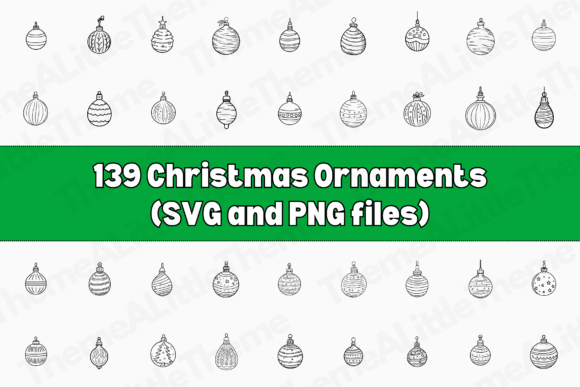
Typography pairing is another critical factor. These backgrounds pair exceptionally well with serif fonts for a classic look, or handwritten fonts for a personal touch. However, avoid overly decorative display fonts that might compete with the intricate details of the SVG design or PNG elements. Review spacing and balance carefully; give your content room to breathe.
Finally, always confirm the commercial license. If you are using these for paid campaigns, client work, or reselling as part of a digital product, ensure you have the appropriate rights. This protects your business and maintains ethical standards in the creative marketplace.
In conclusion, Vintage Christmas Backgrounds are a potent tool for small business branding and content marketing. When used strategically, they enhance visual hierarchy, build audience trust, and create a cohesive, professional brand identity. By understanding their strengths and limitations, designers and marketers can leverage these assets to create campaigns that are not only visually stunning but also commercially effective.